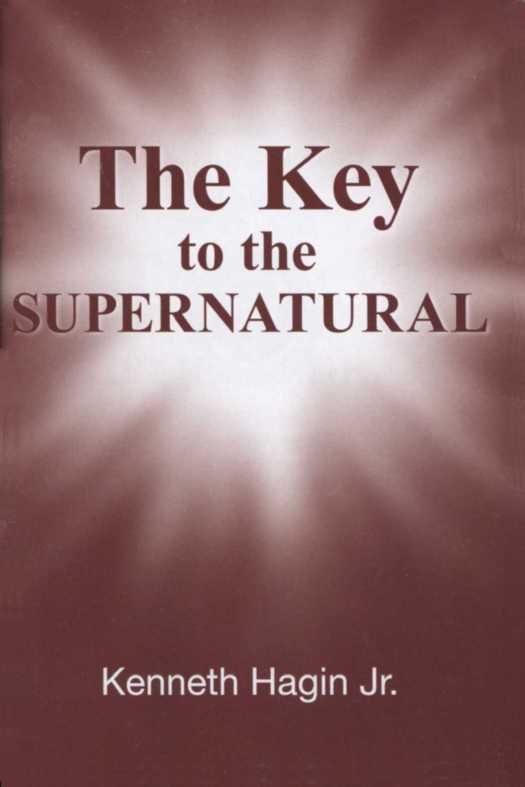
The Key to the Supernatural
This book presents unity and spiritual accord among believers as the key to experiencing the supernatural power of God. Kenneth Hagin Jr. draws extensively from the Book of Acts, emphasizing occasions when the early Christians gathered “with one accord” in prayer, worship, fellowship, and ministry. He connects their unity with manifestations of the Holy Spirit, bold proclamation of God’s Word, healing, signs, wonders, and the growth of the Early Church. Particular attention is given to Acts 1, 2, 4, 5, 8, 12, and 15 as examples of believers acting with a shared spiritual purpose. Hagin argues that greater unity within the Body of Christ will result in a greater demonstration of God’s supernatural power. The book encourages Christians to overcome division and become united in spirit, purpose, prayer, and commitment to God’s Word in anticipation of a powerful move of God.
- 01 The Key to the Supernatural
- 02 The Theme of Acts
- 03 Unity in the Early Church
- 04 Unity: The Key to the Supernatural
- 05 A Sinner’s Prayer to Receive Jesus as Savior
- 06 About the Author
 📖 Book
EN
📖 Book
EN
 📖 Book
EN
📖 Book
EN
 📖 Book
EN
📖 Book
EN
 📖 Book
EN
📖 Book
EN